Tinnitus Articles

Insights for Your Hearing Health

Get trusted tips, insights, and hearing health updates from your hearing care team.

Whether you’re exploring solutions for the first time or a long-time hearing aid user, our experts at Hear SF are here to offer advice and resources to support your journey.

An older man in a yellow sweater sits on the edge of a bed with his head resting on his clasped hands, looking thoughtful or distressed.

Hearing Loss and Your Mental Health: The Link to Depression and Anxiety

Hearing loss is often thought of as a problem with sound. But for many people, it also affects mood, confidence and relationships. Missing parts of conversations, asking people to repeat themselves and feeling left out can slowly take a toll. At Hear SF on Geary Boulevard in San Francisco, owner and hearing aid dispenser Michael


An anatomical model of a human ear on a wooden desk with a doctor blurred in the background.

How the Shape of Your Outer Ear Affects the Way You Hear

Have you ever watched a dog or cat turn its ears toward a sound? Many animals can move their ears to focus on what they want to hear. People can’t do that, but the shape of our outer ear still plays a big part in how we hear every day. At Hear SF on Geary

A persons hands gripping a car steering wheel.

Is Your Car Too Loud for Your Ears? Road Noise and Hearing Loss Risk

Driving gives you freedom, whether it’s your daily commute or a weekend trip down the coast. But time on the road also means time around noise from engines, tires, wind, traffic and your own sound system. Over months and years, that exposure can affect your hearing. At Hear SF on Geary Boulevard in San Francisco,

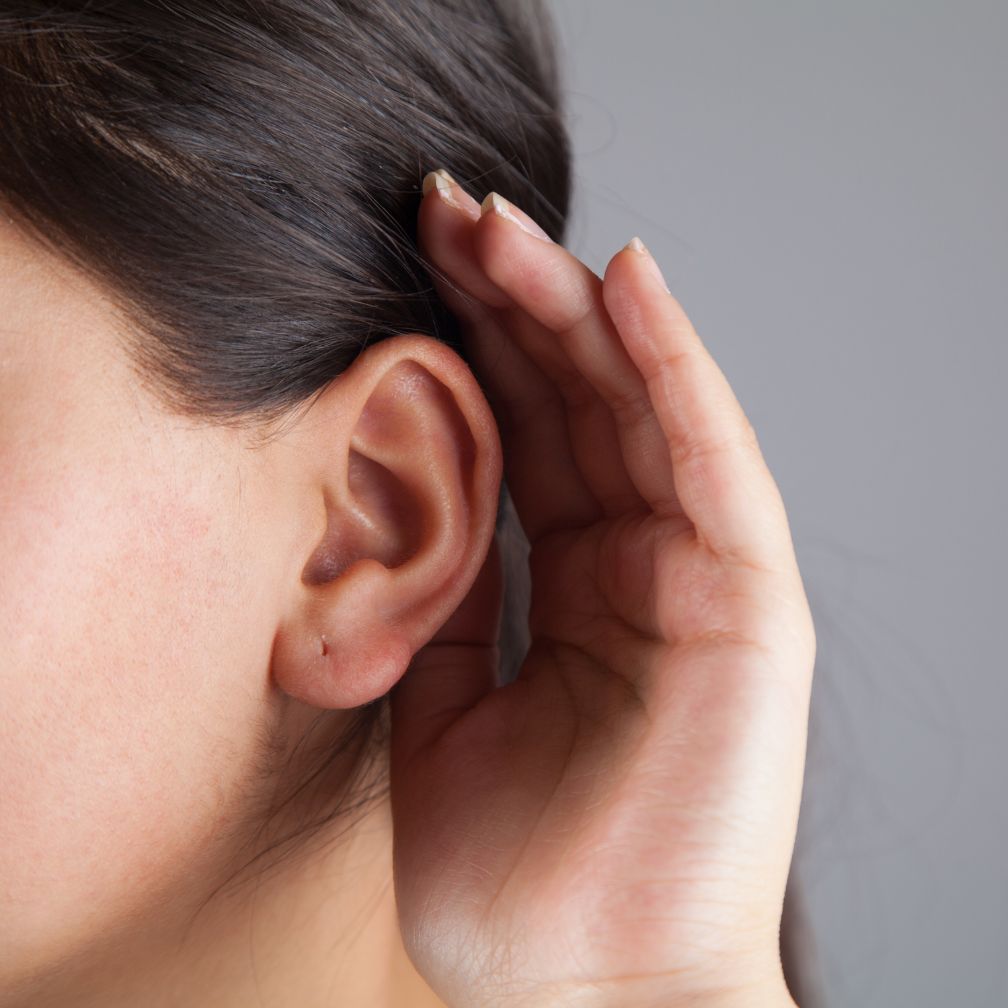
A person holding their hand behind their ear to listen.

Hearing a Static or Hissing Sound in Your Ears? What It Could Mean

Do you hear a soft static, hiss or rushing sound in your ears that no one else seems to notice? You are not imagining it. This sound is often a form of tinnitus, which means hearing a sound that doesn’t come from the world around you. Many people describe tinnitus as ringing, but for some

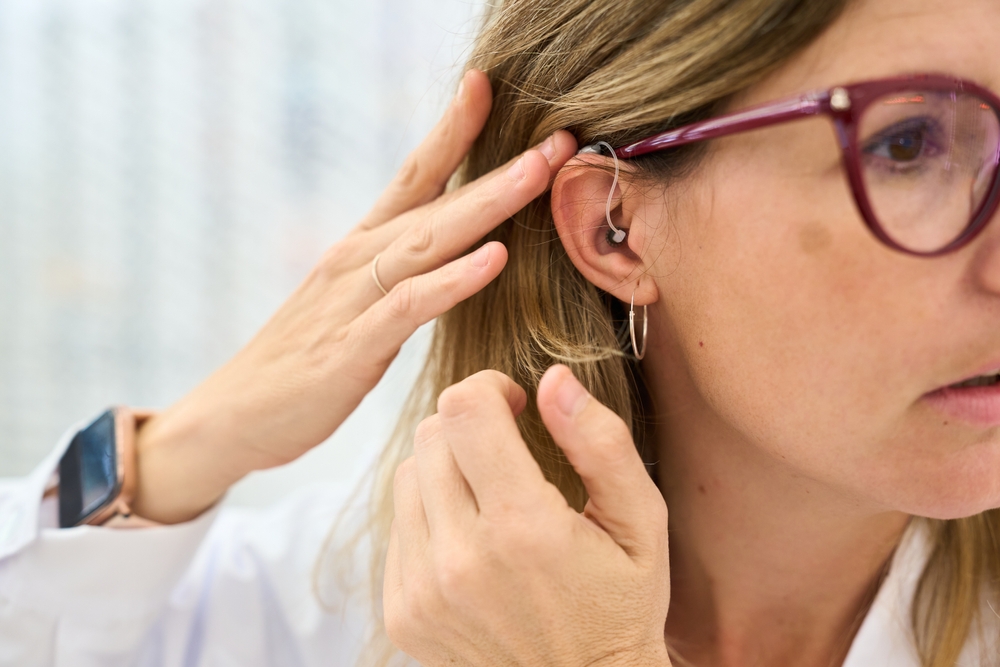
A woman wearing glasses and a smartwatch adjusts a behind-the-ear hearing aid on her right ear. She is seen from a close-up side angle.

Contemporary Hearing Instruments: A Complete Departure From Legacy Devices

Many people delay getting hearing aids because they don’t think they’ll like how they look or feel. In past generations, primitive auditory devices were heavy, highly visible, and frequently viewed as an embarrassing marker of advanced age. In some cases, people even worried that they might be left out of conversation altogether by others who

A person wearing eyeglasses adjusts a small hearing aid in their ear.

Today’s Hearing Aids Are Nothing Like the Ones You Remember

Many people put off getting hearing aids because they picture the large, beige devices their grandparents wore. They worry about how hearing aids will look, feel or sound. Those concerns made sense years ago, but hearing aid technology has changed dramatically. At Hear SF on Geary Boulevard in San Francisco, owner and hearing aid dispenser

A person hands over a credit card to another person holding a payment terminal and a tray with hearing aid devices, suggesting a purchase or payment for medical equipment.

How to Pay for Hearing Aids: HSA, FSA, Insurance & Financing Options

If you’ve looked into hearing aids, one of the first things you’ve probably noticed is the price. Varying by technological tiers and clinical customization requirements, modern systems require a wide range of financial commitments. For many people, that comes as a surprise, and it can understandably feel like a stopping point. While the financial baseline

A person hands a hearing aid in its case to a clinician while another person uses a credit card on a payment terminal.

Ways to Pay for Hearing Aids: HSA, FSA, Insurance and More

Hearing aids can make a big difference in your daily life, but the cost can feel like a hurdle. Depending on the technology and level of care, prices can vary widely. The good news is that there are several ways to make hearing aids more affordable. At Hear SF on Geary Boulevard in San Francisco,

An elderly woman with gray hair and glasses smiles while adjusting a hearing aid in her ear, sitting indoors by a window wearing a dark shirt.

Understanding Medicare Coverage for Hearing Aids: The Reality

Does your Medicare plan pay for hearing aids? The straightforward response is no. Hearing aids are not covered under Original Medicare. We realize this is disappointing news, and it often comes as a surprise to many of our patients. Fortunately, you have other ways to manage the cost. Supplemental paths like Medicare Advantage, various financing

An older woman wearing glasses adjusts a hearing aid behind her ear.

Does Medicare Cover Hearing Aids? What You Need to Know

If you’re on Medicare and thinking about hearing aids, one of your first questions is probably whether Medicare will help pay for them. The short answer is that Original Medicare does not cover hearing aids. Many people are surprised to learn this, but there are still ways to make hearing care more affordable. At Hear

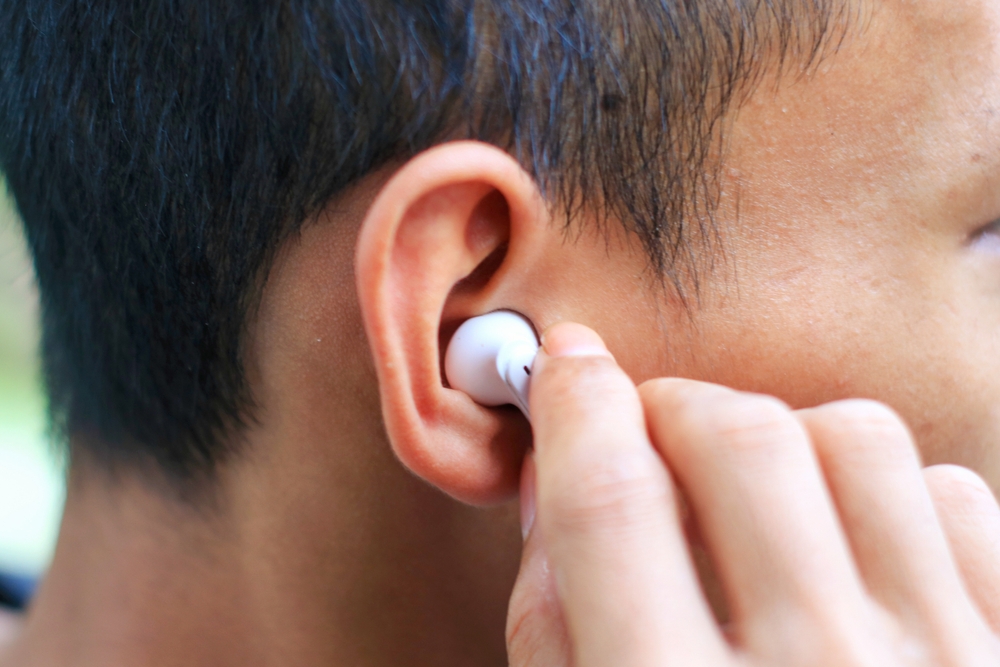
A person inserts a white wireless earbud into their ear, with their hand holding the earbud close to the ear. The close-up image focuses on the ear and earbud.

Evaluating the Auditory Impact of Headphones and In-Ear Monitors

Rarely do we see a young adult in public without an earbud in their ears. Though over-ear headphones are more bulky, the younger demographic still relies on them for environmental isolation. We all enjoy listening to music, no matter our age, but younger people rely on music to pass the time. This leads to the

Young woman gesturing and speaking to an older woman who looks away with a serious expression as they sit on a couch, suggesting a tense or difficult conversation.

The Neurobiology of Hearing: When the Brain Fails to Process Sound

It is a widespread misconception that hearing begins and ends with the ears, but the reality is more complex. However, the ability to perceive sound is equally dependent on the auditory cortex as it is on the physical ear. This term defines the brain’s specialized role in translating raw sound waves into coherent linguistic data.